


It happens all the time: you buy a gorgeous vintage floor lamp or a classic brass nightstand fixture, only to realize you have to manually click it on and off like it is 1999. Tossing out your favorite home decor just to get voice-controlled lighting sounds ridiculous.

Fortunately, throwing away your current fixtures is completely unnecessary. Upgrading to an automated setup does not require complicated electrical rewiring or hiring a professional.
Knowing exactly which bulbs fit standard sockets is crucial to avoid electrical glitches. In this guide, we will answer your compatibility questions and show you how to execute a flawless upgrade.
Can I Use a Smart Bulb in a Regular Lamp?
Yes, you can absolutely use a smart bulb in a regular lamp. As long as your traditional lamp uses a standard U.S. E26 socket and operates on a 120V electrical system, the upgrade takes seconds.

In the United States, almost every standard table lamp, floor lamp, and front porch fixture relies on the E26 medium base. You simply unscrew the old incandescent bulb, screw in the smart bulb, and leave the switch ON.
One major advantage is wattage safety. Traditional lamps often have warning labels like "Max 60W." Modern smart LEDs draw about 9 Watts while delivering bright 800-lumen output. This means you will never overload classic fixtures.
What Lamps Are Compatible with Smart Bulbs?
Not every fixture behaves the same way. We have tested various household fixtures to see how they handle smart lighting upgrades without flickering or overheating.
| Lamp Type | Compatibility Rate | Key Consideration for Upgrading |
|---|---|---|
| Table Lamps | Very High | Perfect for E26 smart bulbs. Always keep the physical knob turned on. |
| Floor Lamps | High | Ensure tall torchiere lamps can support slightly heavier smart bulbs. |
| Pendant Lights | High | Exposed sockets look best with smart vintage filament LEDs. |
| Enclosed Domes | Moderate | Avoid trapping standard smart bulbs in unventilated glass covers. |
Takeaway: Most freestanding household lamps are 100% plug-and-play compatible, but enclosed fixtures require careful attention to heat management.
How to Turn a Regular Lamp Into a Smart Lamp
Transforming a regular lamp into a smart lamp requires zero wiring experience. Follow this exact workflow to guarantee a seamless upgrade:
-
Verify the Socket
Unplug your lamp. Look inside to confirm it has an E26 base and verify there is enough shade clearance.
-
Install the Bulb
Screw in the smart bulb. Plug the lamp back into your 120V wall outlet.
-
Power On
Switch the physical lamp knob to the "ON" position and leave it there permanently.
-
Pair the Device
Open your Apple Home or Alexa app, scan the Matter QR code on the bulb, and connect it to your home Wi-Fi.
-
Secure the Switch
Place clear tape over the wall switch to prevent family members from cutting the physical power.
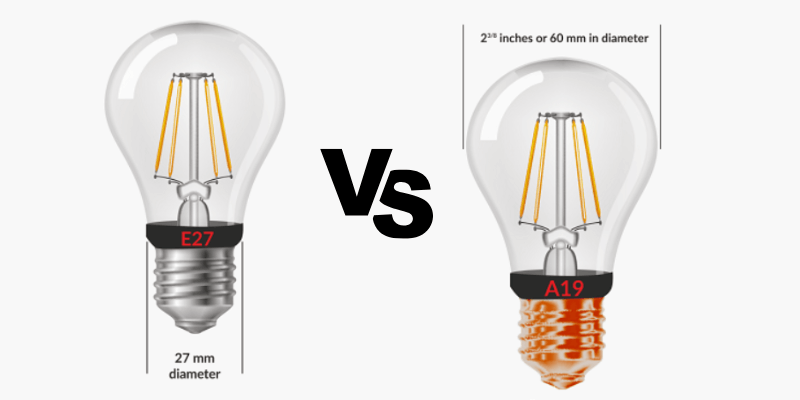
Confused by socket codes and bulb sizes? Read our quick guide comparing A19 bulb shapes versus standard E26 bases to guarantee a flawless physical fit for your lamp.
Once installed, the visual transformation is incredible. You can instantly shift a room from crisp daylight for reading to a dim, warm purple for movie nights.
What Are the Downsides of Smart Bulbs?
While smart home integration makes life easier, real-world users frequently encounter two main downsides that you should be prepared for.
- Incompatibility with Physical Dimmers: You cannot use a smart bulb with a traditional wall dimmer. Physical dimmers restrict current, causing the smart chip to crash and flicker wildly.
- Wi-Fi Dead Zones: If your outdoor garage fixture is too far from your router, standard cloud-based smart bulbs will disconnect.

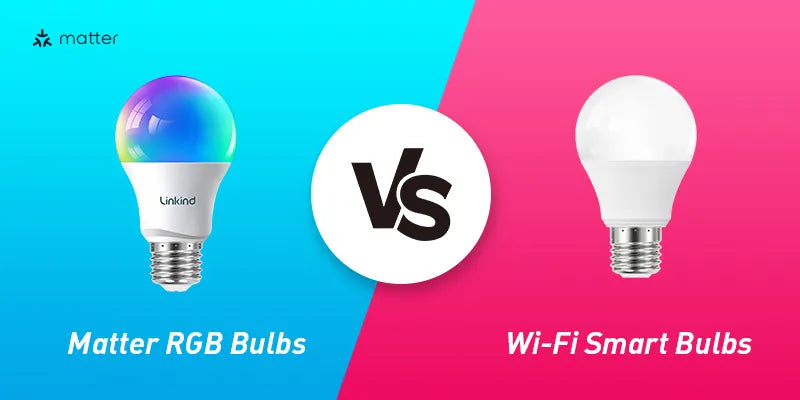
To fix network delays, opt for bulbs using the Matter protocol. Verified user reviews highlight that Matter-certified devices process commands locally over your home network, guaranteeing instant response times.
Want to understand why standard wall switches cause buzzing or flickering? Explore our detailed comparison of how dimmable and non-dimmable LED bulbs interact with your home wiring.
Best Linkind Smart Bulbs for Your Upgrade
To save you from compatibility headaches, we have selected the top Linkind smart bulbs designed specifically for American fixtures.
For Everyday Table and Floor Lamps
For standard bedside fixtures and living room reading lamps, the Linkind Matter Smart Light Bulbs A19 is the top pick. Its classic shape fits easily under lampshades, while native Matter support lets you connect seamlessly to Alexa or Apple Home without an extra hub. Drawing just 9 Watts, it replaces traditional 60W bulbs with 800 lumens of vivid, customizable light.
For Recessed Ceiling Cans
If your room uses overhead can fixtures, the Linkind Aura Matter BR30 Smart Light Bulbs is engineered specifically for ceiling illumination. Unlike rounded bulbs that trap light inside the canister, its wide, flat face directs bright light downward across open living spaces. The specialized housing also handles heat efficiently inside 5-inch or 6-inch recessed cans for reliable performance.
For Exposed Vintage Fixtures
When decorating clear glass pendants or industrial desk fixtures, the Linkind Matter Smart Edison Light Bulbs ST19 preserves classic style without plastic domes. Its vintage-style faux filaments emit a warm antique glow that complements farmhouse interiors. You get authentic retro ambiance paired with convenient 1% to 100% app dimming and automated scheduling.
For Porch Lanterns and Holiday Decor
To elevate your home's exterior curb appeal, the Linkind Smart Flame Light Bulbs creates an authentic flickering gas-lamp effect without open-fire hazards. It offers multiple operating modes, switching effortlessly between dynamic dancing flames and steady warm white light. It fits standard E26 outdoor wall sconces and meets neighborhood HOA standards.
Final Thoughts
Can smart bulbs fit regular lamps? Absolutely. By simply matching the E26 socket and leaving your physical switches turned on, you can bring any classic fixture into the smart home era.
Transitioning is seamless, whether you need to bypass strict HOA lighting schedules or want hands-free control of your bedside lamp. Just measure your lampshades, avoid physical wall dimmers, and upgrade your home with Linkind smart bulbs for reliable, locally controlled illumination.
FAQs
1. Can you use a smart bulb in a 3-way lamp?
Yes, but you must leave the physical switch clicked to its highest power setting. Standard smart bulbs lack the dual filaments required for physical 3-way dimming. Simply set the lamp switch to max power, then use your smartphone app to dim the light smoothly.
2. Can you use smart bulbs in ceiling lights?
Yes, you can use smart bulbs in ceiling lights. However, for American recessed can lights, you must use BR30 shaped smart bulbs. These ensure the light is pushed downward efficiently and safely manage the heat generated inside the ceiling.
3. How do smart light bulbs work?
A smart bulb is a highly efficient LED array paired with a micro-computer. The internal chip communicates via Wi-Fi or Matter protocols, allowing your smartphone or voice assistant to tell the LED exactly how bright and what color to be.
4. Do smart bulbs use more electricity?
No, smart bulbs drastically reduce your electricity usage. A standard Linkind smart bulb outputs 800 lumens using only 9 Watts, compared to a 60-Watt incandescent. Even with tiny standby power for the Wi-Fi chip, the energy savings are massive.







0 comments